

The Nest and BUDS
At St Matthew’s, we recognise that children sometimes need additional opportunities to pause, regulate their emotions, talk, reflect or simply have some time away from the busy school environment. We are committed to providing a range of nurturing spaces and experiences that support children’s emotional health and wellbeing alongside their learning.
The Nest
The Nest is our dedicated wellbeing space, providing a calm and nurturing environment where children can feel safe, supported and listened to. Access to The Nest is carefully planned according to each child’s individual needs. Children may be identified by their class teacher, SENDCo or other members of staff as benefiting from targeted support in The Nest. Where appropriate, access may also form part of the provision outlined in a child’s EHCP.
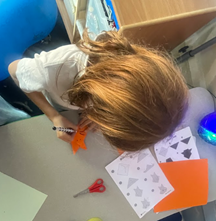 The time children spend in The Nest will vary depending on their individual needs and the support identified for them. This may include planned individual sessions, small-group activities or opportunities to use the space as part of a child’s regulation and wellbeing strategies. The aim is always to provide the right support at the right time, while helping children to develop strategies that they can increasingly use independently.
Through carefully planned activities, supportive conversations and individualised strategies, children can develop skills to manage their emotions, build confidence and independence, and return to their learning feeling settled and ready to engage.
We recognise that every child is different and that there is no one approach that works for everyone. Alongside The Nest and our wider wellbeing provision, children may receive support from class teachers, Learning Support Assistants and external professionals, depending on their individual needs. This may include support with social communication, emotional wellbeing, sensory and physical needs, emotional regulation and developing independence.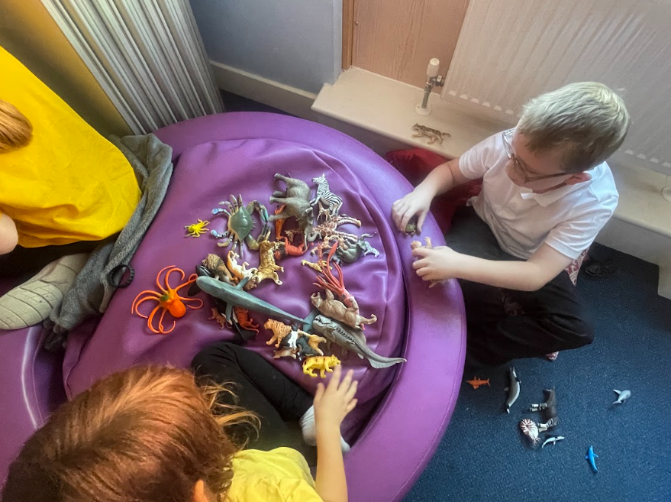
For children with an Education, Health and Care Plan (EHCP), we carefully consider and deliver the provision identified in Section F as part of their individual support. This may include targeted support in The Nest, alongside provision within the classroom and other appropriate settings. Our aim is to ensure that children receive the strategies, interventions and support they need to work towards the outcomes identified in their EHCP.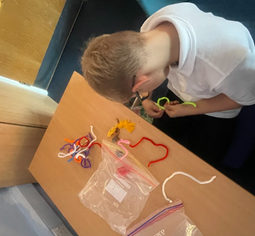
We work closely with children and their families to understand what helps each child to feel safe, settled and successful. Where appropriate, we also work collaboratively with external professionals to ensure that specialist advice and recommended strategies are reflected in the support provided in school.
Our aim is to create a school environment where every child feels that they belong, is listened to and has the support they need to flourish. Through our personalised approach to wellbeing, inclusion and SEND support, we help children to develop confidence, resilience, independence and positive relationships, enabling them to engage positively in school life and live life in all its fullness.
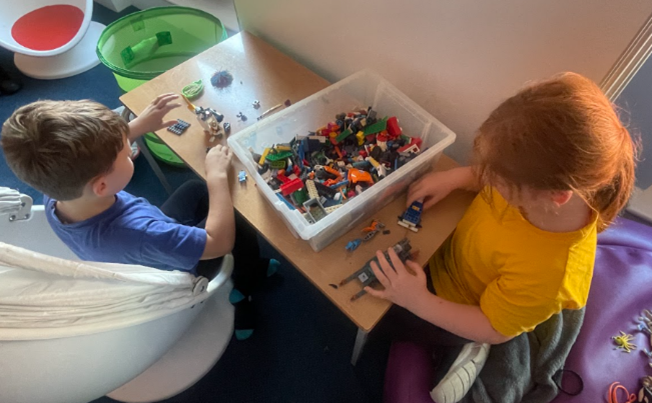
BUDS – Grow in the Garden
BUDS – Grow in the Garden is a Social and Therapeutic Horticulture programme that uses gardening, nature and meaningful practical activities to support children’s physical, emotional and social wellbeing.
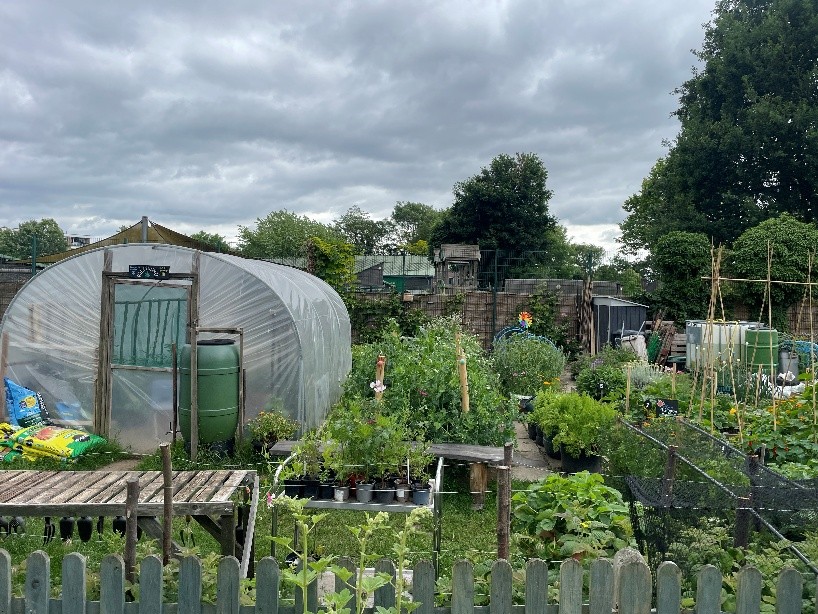
Based in our school allotment, BUDS provides a calm and nurturing environment where children can step away from the busy classroom, spend time outdoors and take part in purposeful activities. The programme recognises that children can benefit enormously from being connected to nature and having opportunities to learn and grow in a different environment.
Supporting Social, Emotional and Mental Health (SEMH)
The natural environment of the allotment provides a calming space where children can slow down, explore their surroundings and develop an awareness of how they are feeling. Plants, wildlife and the changing seasons provide gentle opportunities for children to become absorbed in what is happening around them.
For children who may find busy or noisy environments challenging, time in the allotment can provide a welcome change of pace and an opportunity to regulate emotions and develop strategies to support their Social, Emotional and Mental Health (SEMH).
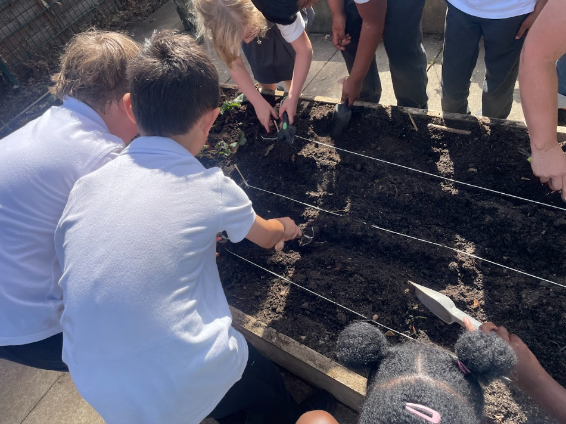
The practical nature of the sessions provides opportunities to develop confidence, resilience, independence and self-esteem. Children can experience success through achievable activities and see the tangible results of their efforts.
Supporting Cognition and Learning
BUDS provides rich opportunities to support cognition and learning through practical, hands-on experiences. Children can develop problem-solving, attention, sequencing and organisational skills while engaging in purposeful activities.
The allotment provides meaningful opportunities to connect learning with real-life experiences. Children can explore plant science, nutrition, food provenance, mathematics, the environment and physics through activities such as planting seeds, observing growth, weighing and measuring produce, designing structures and exploring how plants grow.
For some children, this practical approach provides an alternative way to engage with learning and can help them to develop confidence in their own abilities.
Supporting Communication and Interaction
BUDS provides opportunities for children to work alongside others in a smaller, more relaxed environment. Through shared gardening activities, children can develop communication and interaction skills, including listening, turn-taking, sharing ideas and working collaboratively.
The practical nature of the activities provides natural opportunities for children to communicate with adults and peers, express their ideas and develop confidence in social situations.
Supporting Community and Friendships
Working together to plant, grow, care for and harvest provides opportunities for children to build relationships, develop friendships and experience a sense of belonging.
The allotment provides a gentle environment in which children can practise social skills, support one another and develop positive relationships. Working towards a shared purpose encourages cooperation, responsibility and a sense of community.
Children can see that their contribution matters and that they are valued members of our school community.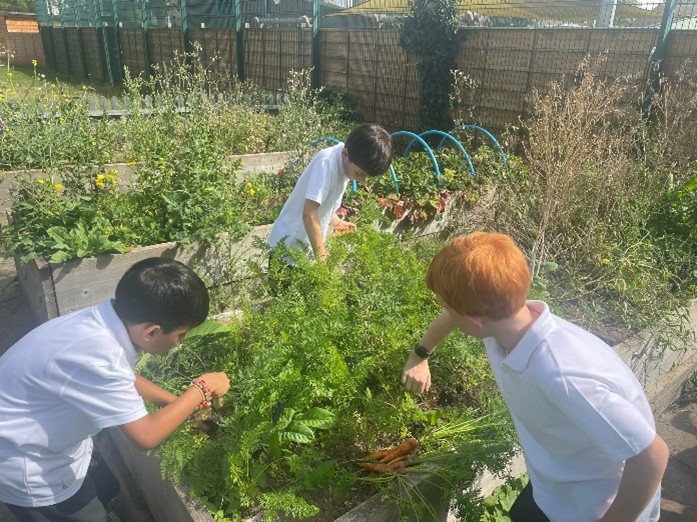
Supporting Independence and Wellbeing
The gardening activities give children a sense of purpose and responsibility. Caring for plants, making choices, completing tasks and seeing the results of their work can help children to develop independence and a greater sense of ownership.
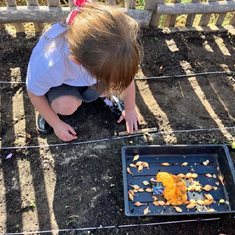
The allotment can also provide an opportunity for children to take a break from the sustained concentration required in the classroom. Natural environments and engaging activities can help children to regulate their emotions, refocus their attention and return to learning feeling more settled and ready to engage.
Connecting Wellbeing with the Curriculum
BUDS is not separate from learning. The allotment provides rich opportunities to connect children’s wellbeing, SEND provision and curriculum learning. From growing and harvesting food to exploring the seasons, measuring produce, observing wildlife and creating artwork, children learn through real experiences.
Creative activities, including arts, crafts and upcycling, also give children opportunities for self-expression, creativity and ownership.
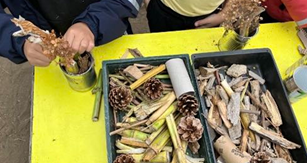
From planting seeds to harvesting strawberries and pumpkins, the allotment gives children the opportunity to experience the wonder of nature while developing skills across SEMH, cognition and learning, communication and interaction, and community and friendships.
At St Matthew’s, we believe that children flourish when they are given opportunities to connect, belong, explore and experience success. Through BUDS, children can grow in the garden – and grow in confidence too.
buds autumn half term 1 v2.pdf


